Understanding MOQ, Pricing, and Customization in B2B Agro Trade
| 13 Mar 2026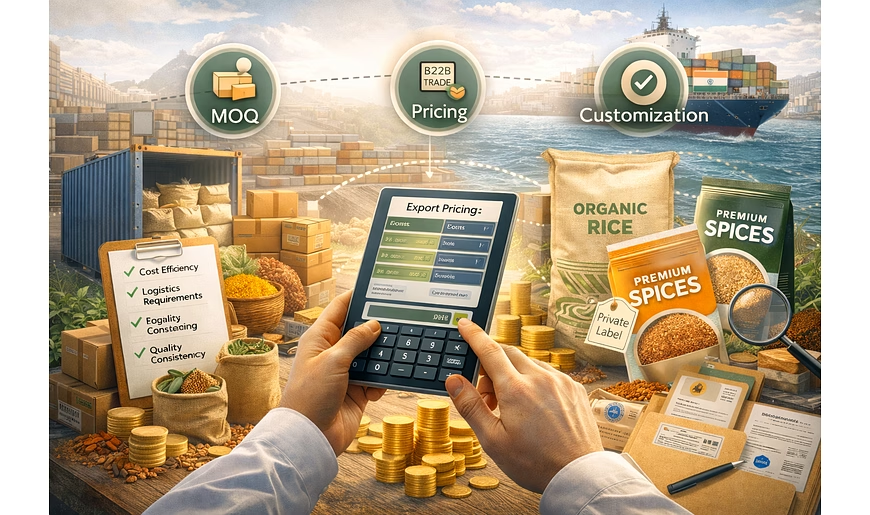
In international agro trade, terms such as MOQ, export pricing structure, and customization options play a critical role in purchase decisions. For importers and global buyers, understanding these elements helps with cost planning, supplier evaluation, and building long-term sourcing strategies.
This guide explains how Minimum Order Quantity (MOQ), export pricing, and customization work in B2B agro trade. By understanding these key factors, buyers can engage confidently with exporters, negotiate effectively, and avoid common misunderstandings in international agro sourcing.
MOQ, or Minimum Order Quantity, refers to the smallest quantity of a product that an exporter is willing to supply in a transaction. In agro exports, MOQ is determined by several operational and economic factors, including production capacity, packaging requirements, processing costs, and shipping logistics.
Establishing an MOQ helps exporters maintain operational efficiency while ensuring that each shipment meets quality standards and logistical feasibility. For buyers, understanding MOQ helps in evaluating order feasibility and planning procurement budgets.
Why MOQs Exist
MOQs help optimize production and processing costs, ensure export-grade packaging efficiency, maintain quality consistency across batches, and support cost-effective logistics and international shipping.
MOQ is rarely a fixed number and can vary depending on multiple operational and regulatory factors. Buyers should evaluate these variables when discussing order quantities with exporters to understand the flexibility and constraints involved.
For example, packaging format, product form, and shipping method can significantly influence MOQ levels. Understanding these variables helps buyers assess whether an order aligns with logistical efficiency and production feasibility.
Key MOQ Influencers
Important factors include product type and form (bulk, powdered, liquid), packaging format such as bulk bags or retail packs, destination country regulations, and shipping method or container utilization.
In many cases, MOQs can be negotiated depending on the buyer's requirements and the exporter’s operational flexibility. Experienced exporters often evaluate the buyer’s long-term potential, order frequency, and logistical feasibility before agreeing to adjust minimum order levels.
Negotiated MOQs can be beneficial for both parties when establishing new business relationships or entering new markets.
When MOQ Flexibility Is Possible
MOQ flexibility may be possible for trial or first-time orders, mixed container shipments, long-term supply agreements, or strategic partnerships aimed at entering new markets.
Export pricing in agro trade is determined by several components that collectively define the final cost of goods supplied to international buyers. Understanding these pricing elements allows importers to evaluate cost structures more accurately and plan procurement budgets effectively.
Transparent pricing practices help establish trust between exporters and buyers while supporting efficient negotiations and long-term trade partnerships.
Pricing Components
Typical pricing components include raw material and processing costs, quality inspection and compliance expenses, packaging and labeling costs, and logistics, freight, and handling charges. Export pricing may also vary depending on order volume, destination market, and customization requirements.
Customization is a valuable feature in B2B agro trade, allowing exporters to adapt products according to buyer requirements, market regulations, and branding strategies. Exporters frequently offer tailored packaging, labeling, and product specifications to support buyers in competitive markets.
These customization services enable importers to differentiate their products while ensuring regulatory compliance in destination markets.
Common Customization Options
Customization may include custom packaging sizes, private labeling and branding, market-specific labeling and compliance, and adjustments to product grade or specifications.
Successful agro trade partnerships balance MOQ, pricing structures, and customization options to create value for both exporters and buyers. Achieving this balance requires transparent communication and realistic expectations from both sides.
Importers who clearly communicate their product requirements and long-term sourcing plans often find it easier to negotiate favorable terms with exporters.
Best Practices for Buyers
Buyers should share detailed requirements upfront, discuss long-term sourcing plans, understand regulatory and packaging constraints, and focus on partnership-driven negotiations rather than short-term cost reduction alone.
MOQ refers to the minimum quantity an exporter requires for supplying a specific agro product while maintaining production efficiency, quality consistency, and cost-effective logistics.
Yes, in many situations exporters may offer flexible MOQs for trial shipments or first-time orders, depending on the product type, packaging format, and future business potential.
Export pricing typically includes product cost, compliance and inspection costs, packaging expenses, logistics and freight charges, as well as factors such as order volume and destination market requirements.
Customization options may include packaging formats, private labeling, product grade adjustments, and labeling designed to comply with destination-market regulations.
Understanding MOQ, export pricing structures, and customization options is essential for successful B2B agro trade. Buyers who are well-informed about these factors can negotiate effectively, manage procurement costs, and build stronger partnerships with exporters.
A transparent and flexible exporter simplifies sourcing, reduces operational risks, and adds strategic value beyond simply supplying products. Long-term collaboration built on clear expectations creates sustainable success in international agro trade.